Telehealth Speech Pathology
-
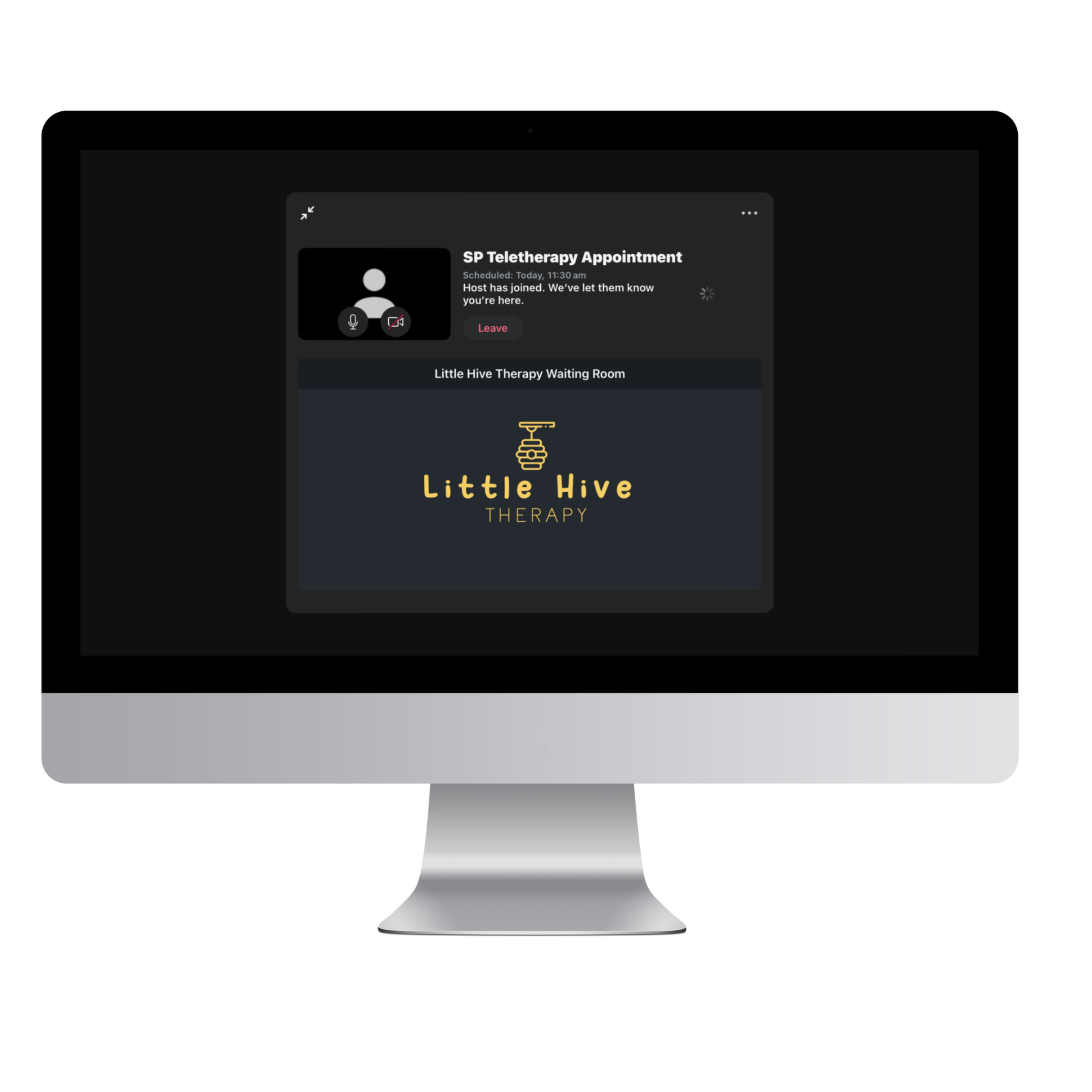
Teletherapy (or telehealth) is the delivery of speech pathology supports through a secure online video platform such as zoom. Teletherapy allows you to access individualised, evidence based speech pathology supports from the comfort of your home.
Your child and speech pathologist can see and hear each other in real time, allowing therapy to happen through shared engagement in interactive games, activities, conversation and play.
See below for more information and commonly asked questions:
-
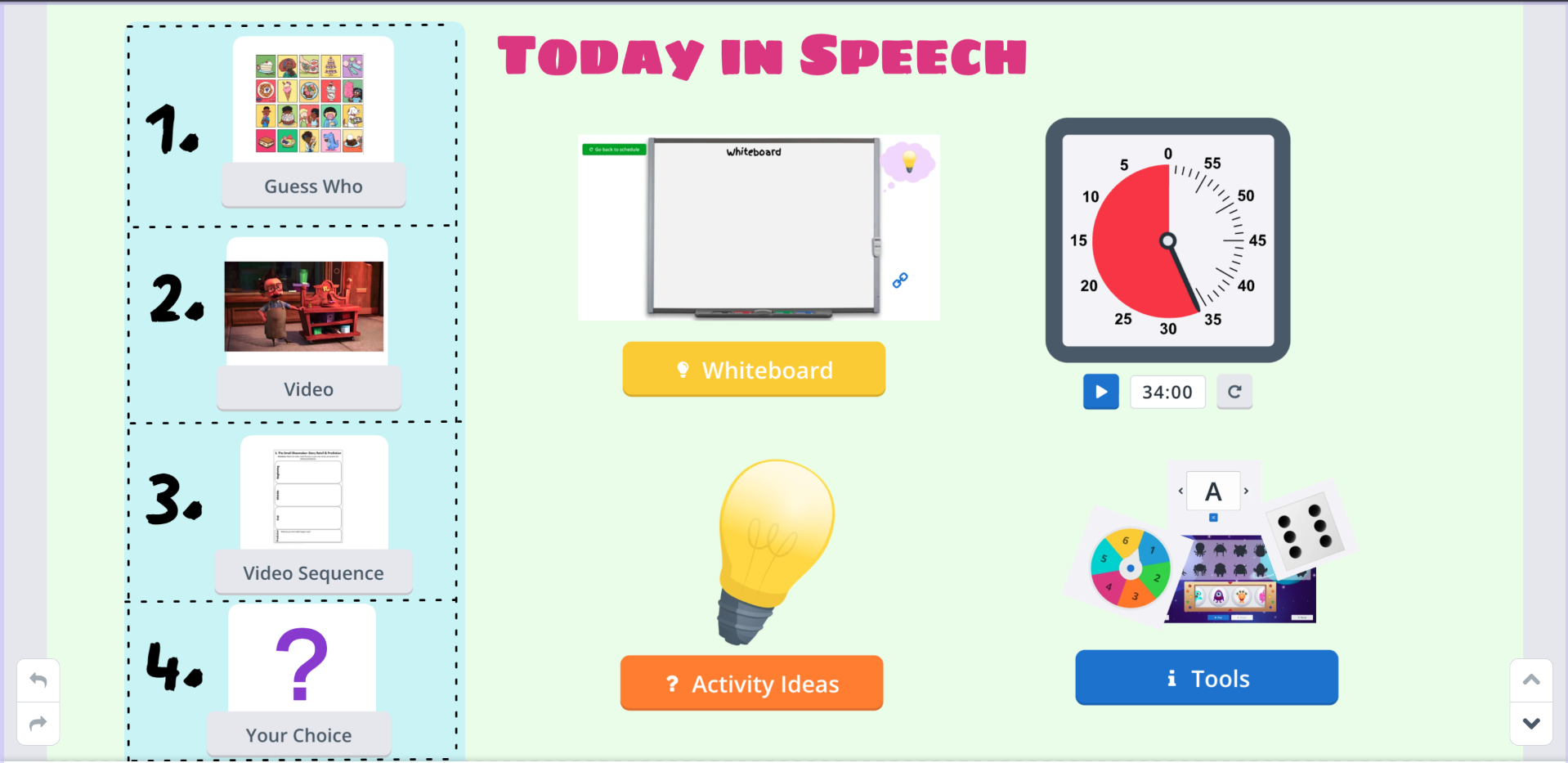
Our telehealth sessions are highly interactive, engaging, and play-based. Rather than simply talking with your child through a screen, we use technology to create shared experiences where your child and speech pathologist can play, create, problem-solve, and communicate together. Depending on a child's goals telehealth sessions may involve engaging in interactive activities that match their interests, such as
Collaborative play of interactive games e.g. Minecraft, Lego, Memory, Connect 4
Shared engagement through creative activities such as drawing, colouring, collages etc.
Shared watching of videos or movie clips to support language development
Incorporation of literacy goals into functional writing tasks - researching special interests, creating instructions for favourite games, recipes, comics etc.
These activities provide natural opportunities to work on communication skills such as language, social interaction, conversation, following directions, problem-solving, literacy, and self-advocacy, all while keeping therapy motivating, fun and meaningful.
-
No Travel Time or Fees - With teletherapy, there’s no need to travel to and from appointments. Your child can access their speech pathology session from the comfort of home, saving valuable family time and avoiding travel costs.
Access to specialist services - Families can access speech pathology support regardless of where they live.
Access to Regulation Supports - Being in a familiar environment can sometimes make it easier to use familiar regulation strategies, sensory supports, comfort items, and preferred activities when needed to support regulation and engagement.
Transferability of Skills - Working from home provides natural opportunities to practise communication skills within familiar routines and activities.
-
Teletherapy may be suitable for many children and young people, including those working on:
Speech sound development
Language development
Vocabulary and sentence skills
Understanding and following language
Higher level language skills e.g. problem solving, planning, inferencing
Literacy and written language
Supporting social language and engagement
Supporting the use of AAC [both directly with the child and/or through parent supported coaching]
Every child is different. During an initial assessment or consultation, your speech pathologist can discuss whether teletherapy is appropriate for your child's needs and what session format is likely to work best.
-
Research supports teletherapy as an effective way to deliver speech and language therapy for many children. Studies have found that children can achieve outcomes comparable to face-to-face therapy when sessions are appropriately tailored to their individual needs. Our teletherapy sessions are designed to be highly interactive and engaging, using play, conversation and purposeful activities to create meaningful opportunities for children to practise and develop their communication skills.